Best Practices for International Checkout and Payment Security

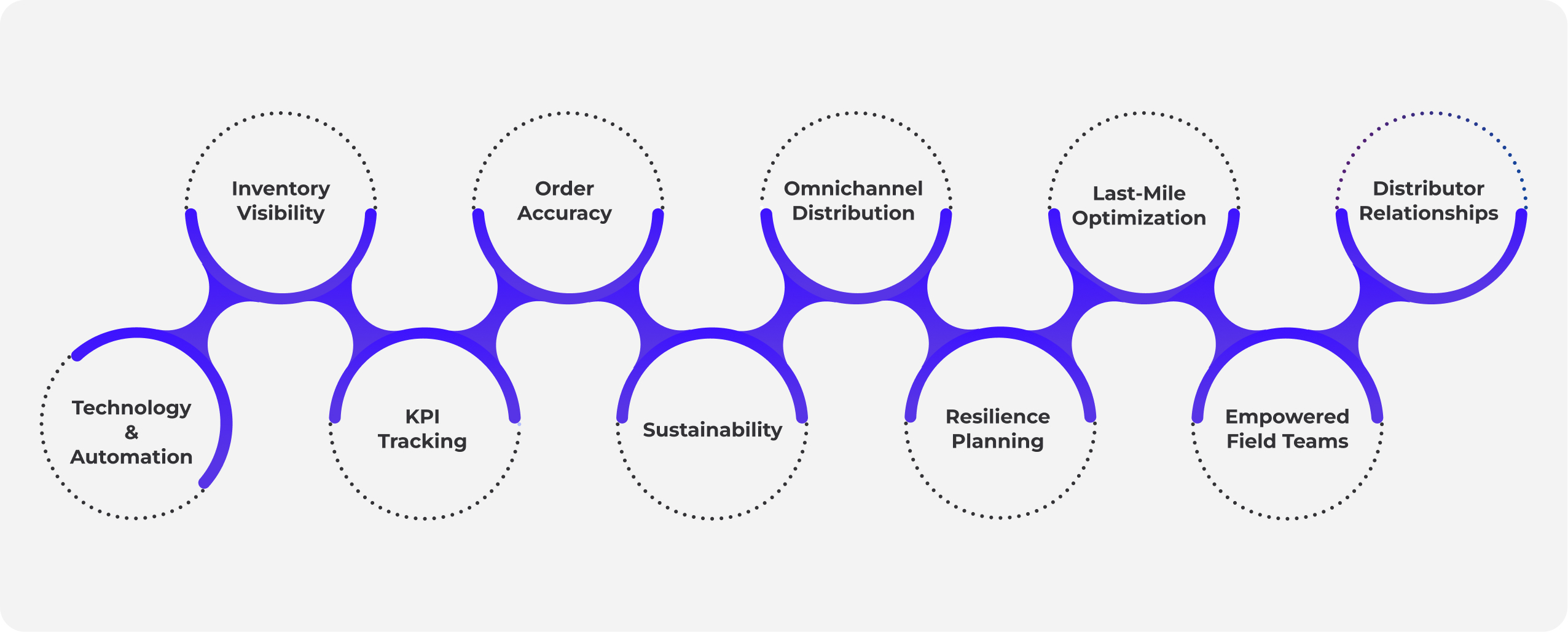
Localizing the Digital Shop for 2026 Global Markets
International commerce in 2026 has actually moved past simple currency conversion. Buyers in various regions now expect a checkout procedure that feels native to their specific area, culture, and banking habits. A retail operation trying to sell into Japan using a standard North American checkout design template often deals with abandonment rates going beyond 80 percent. The difficulty depends on the subtle distinctions of information entry, address formatting, and local payment trust signals.Multi-channel distribution techniques now need a merged backend that can adapt its frontend discussion based on the buyer's IP address and validated identity. Retailers are moving far from monolithic platforms toward modular architectures. This enables a company to utilize agile checkout modules that can be swapped out or updated without taking the entire shop offline.Address recognition is a main friction point. In 2026, many areas have moved toward digital identity tokens for shipping, yet many checkout streams still need manual entry of street names and postal codes. Forcing a client in a high-density urban center in Southeast Asia to complete a Western-style address kind is a fast way to lose a sale. Modern streams use predictive place services that resolve an address with two or 3 taps.
Adjusting to Regional Payment Preferences and Digital Wallets
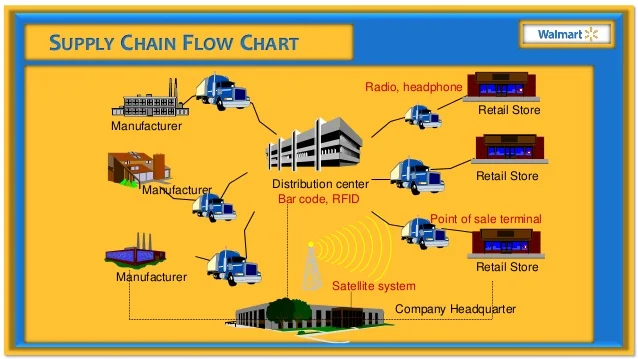
The dominance of traditional charge card continues to subside. In 2026, the worldwide payment map is fragmented into regional digital wallets and decentralized finance alternatives. In Brazil, PIX-style instant payments are mandatory for any serious retailer. In parts of Europe, account-to-account (A2A) transfers have actually overtaken plastic. If a checkout flow does not plainly include the favored local wallet on the first screen, the perceived danger for the consumer increases.Consumer trust is constructed through familiarity. When a consumer sees a localized trust badge or a familiar regional bank logo design, the mental barrier to acquire drops. Successful international merchants often employ localized payment gateways to guarantee that every transaction is processed through a domestic acquirer. This not just increases approval rates however likewise reduces the foreign deal charges that often irritate clients when they see their last bank statement.Sustained development in new markets frequently requires proficiency in Ecommerce Platforms to make sure technical stability across areas. Without a stable technical foundation, the most advanced payment choices will stop working if the latency between the customer's device and the server exceeds 200 milliseconds. Speed is a currency of its own in 2026.
Openness in Responsibilities, Taxes, and Landed Costs
Price transparency stays the most substantial consider cross-border conversion. Nothing kills a consumer's commitment much faster than a "delivery duty overdue" (DDU) notification where they must pay extra costs at the doorstep. In 2026, the requirement for quality is the "delivery responsibility paid" (DDP) design, where every cent of tax, customizeds, and shipping is calculated in real-time and provided before the last click.Calculating these expenses needs a deep integration with international trade databases. These systems must represent the most current 2026 trade contracts and local tax modifications. Modern services typically implement Modern Unified Retail Platforms to manage unexpected spikes in worldwide traffic and guarantee that tax estimations stay accurate during high-volume periods.The checkout flow ought to clearly break down these costs. Instead of an unclear "shipping and handling" line product, effective retailers show an in-depth breakdown. This clarity avoids "sticker label shock" and lowers the volume of client service queries. When customers see exactly what they are paying for, they feel a sense of control over the deal, which is necessary for high-ticket worldwide purchases.
Multi-Channel Distribution and Social Commerce Combination
Retailers are no longer confined to their own sites. In 2026, a substantial part of cross-border sales takes place within social media apps, messaging platforms, and third-party markets. Each of these channels requires a particular checkout logic. A consumer buying a product through a video stream on a social platform anticipates a two-tap purchase. They do not desire to be rerouted to an external internet browser window where they have to re-enter their information.This fragmentation of the sales funnel means the checkout flow need to be portable. Headless commerce allows the "cart" to follow the user throughout different touchpoints. A user may begin a cart on a desktop at work, add a product through a voice assistant throughout their commute, and finish the purchase on a tablet at home.Managing this level of complexity requires an advanced technique to information synchronization. The rising interest in Global Retail across Marketplaces reflects a wider shift toward regionalized logistics and dispersed order management. Each channel may have various inventory levels or shipping speeds, and the checkout flow should reflect these realities in real-time to avoid overselling.
Optimizing Mobile Checkout for High-Latency Environments
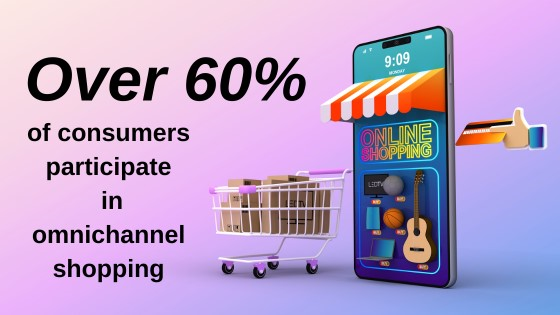
Mobile remains the primary gadget for global buyers, particularly in emerging markets where desktop usage is negligible. Mobile data speeds are not uniform worldwide. A checkout flow that is heavy with big JavaScript files or high-resolution images will stop working in areas with spotty 5G coverage or saturated 4G networks.Optimization in 2026 includes server-side making of checkout parts. By shifting the heavy lifting far from the user's device, the checkout page loads almost quickly. Reducing the number of HTTP requests during the last stages of the deal is crucial. Every additional second of loading time associates with a quantifiable drop in effective payments.Biometric authentication has changed the password for a lot of mobile checkouts. Integrating with native gadget features like face or finger print acknowledgment is now a standard expectation. This not only speeds up the procedure but also offers a layer of security that is much more difficult to spoof than traditional text-based credentials.
Lowering Scams Without Increasing Friction
Cross-border sales are often flagged by legacy fraud detection systems due to the inequality in between the shipping address and the card's issuing country. In 2026, AI-driven fraud prevention examines numerous information points-- from typing rhythm to device hardware signatures-- to verify identity without needing the user to fix puzzles or wait for SMS codes.The objective is "undetectable security." If a deal looks suspicious, the system should activate a step-up authentication that is still user-friendly, such as a quick biometric check. Requiring every worldwide customer through a strenuous verification process will protect the merchant from scams however will also destroy the conversion rate.Retailers are utilizing advanced risk scoring engines to distinguish in between high-risk regions and high-value consumers. These engines learn from international patterns, recognizing that a specific purchasing pattern in one nation may be completely regular while in another it signifies a stolen identity. Data-sharing networks in between merchants have actually ended up being more common, enabling for a collective defense against organized retail criminal offense.
The Role of Language and Cultural Subtlety in Checkout
Localization is more than just translating "Buy Now" into another language. It involves understanding how various cultures perceive seriousness, worth, and personal privacy. For instance, some cultures choose a very comprehensive verification page that lists every specification of the product, while others prefer a minimalist design that emphasizes the speed of delivery.Date formats, currency symbols, and even the color of the "total purchase" button can influence habits. In some markets, green signifies success, while in others, it might be related to different concepts. In 2026, A/B screening is often performed on a per-region basis instead of internationally. What works for a customer in Berlin will rarely be the optimal option for a customer in Mexico City.Using regional design frameworks helps keep brand name consistency while permitting for these required regional modifications. The architecture must be flexible adequate to allow local teams to tweak the UI without breaking the core reasoning of the transaction engine.
The Value of Post-Purchase Communication
The checkout flow does not really end till the plan is in the consumer's hands. For cross-border sales, the "order success" page is just the beginning of a high-anxiety period for the buyer. Providing a clear, localized tracking website is important. Consumers require to see where their plan remains in the global logistics chain, including when it clears customizeds and when it is handed off to a regional courier.In 2026, these updates are often delivered through local messaging apps like WhatsApp, WeChat, or Line, instead of e-mail. Automated alerts should remain in the customer's native language and should supply clear directions if any action is needed, such as determining a safe drop-off location.A smooth return procedure is also a part of the checkout's long-lasting optimization. If a worldwide customer knows that returning an item is tough, they will be much less most likely to complete the initial purchase. Providing regional return hubs or pre-paid worldwide return labels can be the deciding aspect for a hesitant buyer.By concentrating on these technical and mental elements, merchants can develop a cross-border technique that grows in the complicated environment of 2026. Success is discovered in the information of the transition from a global brand name to a local shopping experience.
Need Professional Tree Surgery Services?
Our certified arborists are ready to help with all your tree care needs. Get expert advice and a free consultation today.
Request Free Quote