How to Scale Customer Lifecycle Results
A few of these advantages content commerce offers are: Online shopping has actually hardly been a replacement for shopping with good friends, it's too technical, too uninteresting, and not an experience. And those who needed recommendations chosen to go to a store with real salesmen. Through content-driven commerce, retailers and brands can use their consumers much better shopping experiences including guidance and enjoyment.
That's because, shortly before payment, doubts can emerge. For example, customers may ask "Is the item actually the ideal one?" The better informed clients feel, the most likely they are to complete the purchase with them. According to a SalesCycle research study, about one in four online items are returned. In some item categories, such as fashion, two-thirds of all products bought end up as returns, with common reasons being: The product looks different in reality than it carries out in images A garment runs larger or smaller sized than usual Customers realize when they attempt it out that the item simply doesn't fulfill their expectations By supplying comprehensive details, images and videos, you can avoid your online consumers from making the wrong purchase and lower the number of returns.
Assist your consumers utilize the product after purchase through content like how-to guides or FAQs to use the product skillfully and avoid errors. It's tough to distinguish yourself simply based on what you offer, and offering more client service than Amazon is hardly possible.
Building An Effective Influencer Strategy for 2026
Through the private design of your material, you can provide clients an unique experience that they can only get from you. The more special and entertaining content you can distribute, the easier for your target groups to suggest you through messaging apps or social media platforms among pals.
On average, organic traffic represent one-third to half of all check outs to online shops. You will be found more frequently through your material not just with your online store but with all the channels you use. As e-commerce sites or business produce more content, the probability that customers may become overwhelmed and confused increases.
The customized email newsletter was among the very first methods of customization. Today's ecommerce and material management systems provide specific campaigns, products, or useful material to customers. The shop or site looks completely different for various groups of clients and even individuals. Many content personalization examples highlight this technique. Companies can personalize their material by specifying different customer groups and manually appointing clients to these groups, such as personal consumers, company customers, or male or female consumers.
Mastering the Next Social Ad Strategies
The more data companies have about their customers, the better this works. As beautiful as content commerce noises and its many advantages for marketing and sales, the technical execution is an obstacle. There was a clear "department of labor" in the past: The online shop handles the products, and the content management system manages the site with landing pages, blog sites, and other content.
Content-driven commerce needs deep integration of content marketing channels with ecommerce functions. The fundamental problem is that information and content are distributed in different systems.
Product information is handled in the shop service, marketing texts in the material management system, images and videos in digital property management software, and the information for personalization comes from the analytics software application. All this data needs to be "put together" for a uniform, digital client experience. This is technically complicated if it works at all.
Defining Community-Led Growth in 2026Advanced Analytics Tutorials for Modern Shop Growth
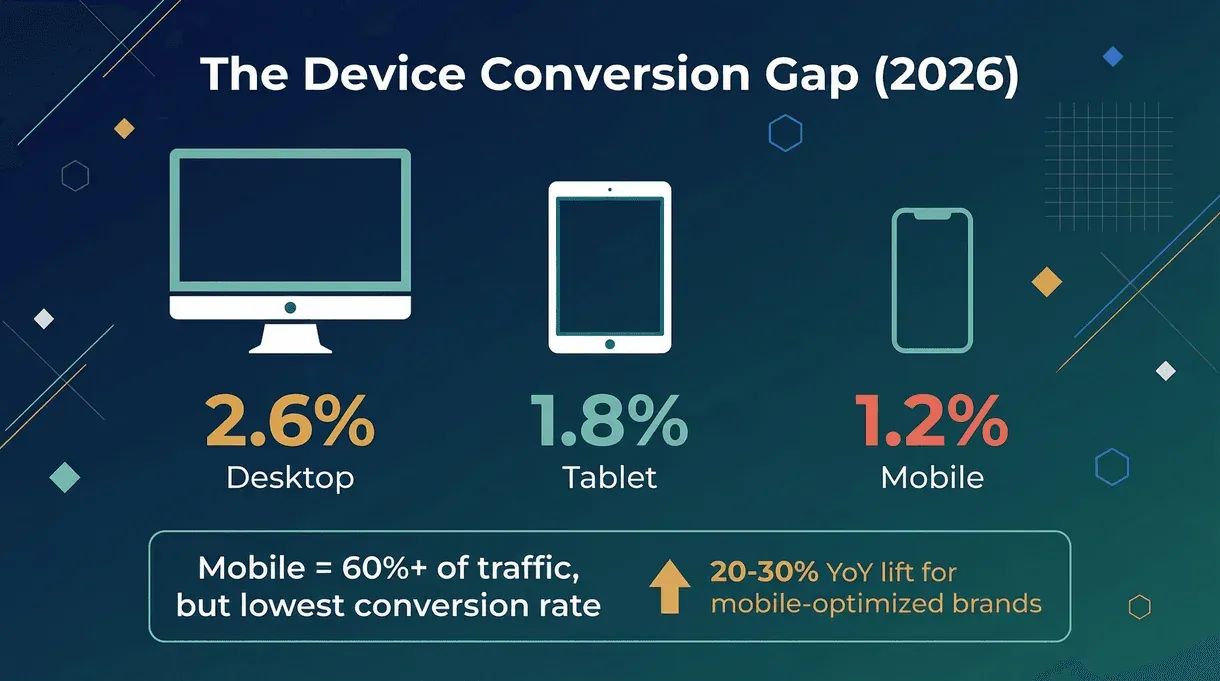
Different channels such as desktop and app use different user experiences. Tracking and personalization also do not work across channels. A headless material management system (CMS) is the ideal building block in the procedure of carrying out an integrated content commerce idea. You link all information sources to the CMS. Material authors can deal with all data and content as if it were native, existing content in the CMS.
Anticipating Consumer Behavior with Data Strategy Tools in 2026The content, in turn, can be played out to a practically infinite variety of different front ends and channels. Considering that all material is controlled by a main system, consumers get truly constant experiences throughout all channels, and real omnichannel B2B material marketing becomes possible. Content commerce develops an appealing and useful visitor experience by incorporating top quality visuals, descriptive content, customer evaluations, personalized suggestions, and social media aspects.
Need Professional Tree Surgery Services?
Our certified arborists are ready to help with all your tree care needs. Get expert advice and a free consultation today.
Request Free Quote